Let’s team up! Become a retail partner now and start ordering.
Board Game Trends 2025 - What Retailers and Distributors Should Know
minutes read
Table of contents
Board and card games are a growing force in European consumer culture. They are now a regular part of everyday entertainment across the continent. As we look at the board game trends 2025, it’s clear that the market is expanding far beyond the traditional hobbyist.
Ever since the pandemic sparked renewed interest in offline entertainment, tabletop game sales have been on a steady rise. Driven not only by hobbyists but increasingly by casual players and families that are looking for social, screen-free entertainment. Co-op board games, fast-paced party games, and deep narrative experiences are now reaching more households, age groups, and retail channels than ever.
That means big opportunities for retailers and distributors. This guide helps you spot tabletop consumer trends and align your assortment with shifting player preferences.
Spring into the latest tabletop trends! Get your hands on our Spring 2025 board game selection carefully curated to match what players wants right now.
Consumer Trends in Tabletop Gaming in Europe
What drives players to pick up one game over another? In this section, we explore major tabletop consumer trends shaping the European market in 2025. From mechanics to marketing, themes to visual appeal. We’ll break down what’s influencing buying behavior across the continent.
We'll also zoom into key differences across regions, helping you fine-tune your buying decisions based on what sells best locally.
Overview: What’s driving player choices today?
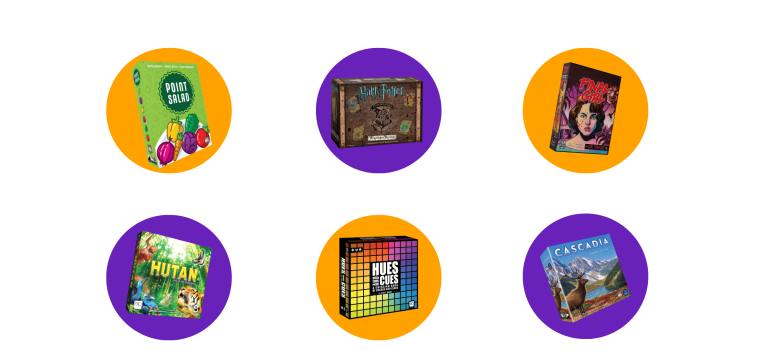
Across Europe, player preferences are evolving. While strategy and replayability still matter, modern players increasingly value accessibility, visual appeal, and shared experience. These shifts are reflected in many of the bestselling board games in Europe 2025.
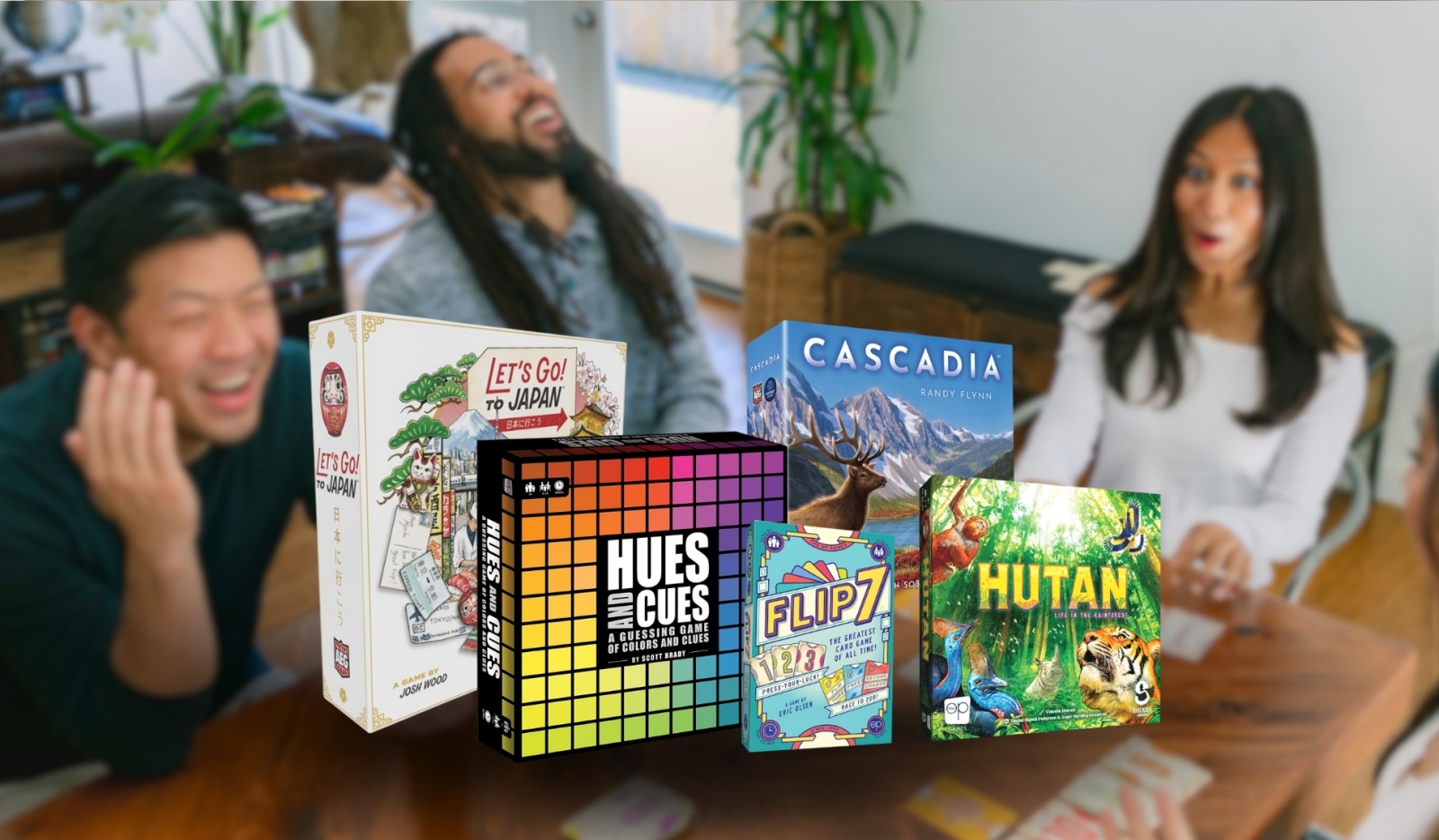
- Quick to learn, easy to play: Players increasingly look for games that are quick to explain. Games that can be explained in under 15 minutes are gaining traction and reflect the rise of family board game trends. Titles like Point Salad, Flip 7, and Bad People perform well in casual settings such as cafés and game nights.
- Social and cooperative experiences: The popularity of co-op board games in Europe continues to rise. Players want connection over competition. From Castle Panic 2nd Edition to Kites and Harry Potter: Hogwarts Battle, shared-goal games are thriving, especially among families and newcomers.
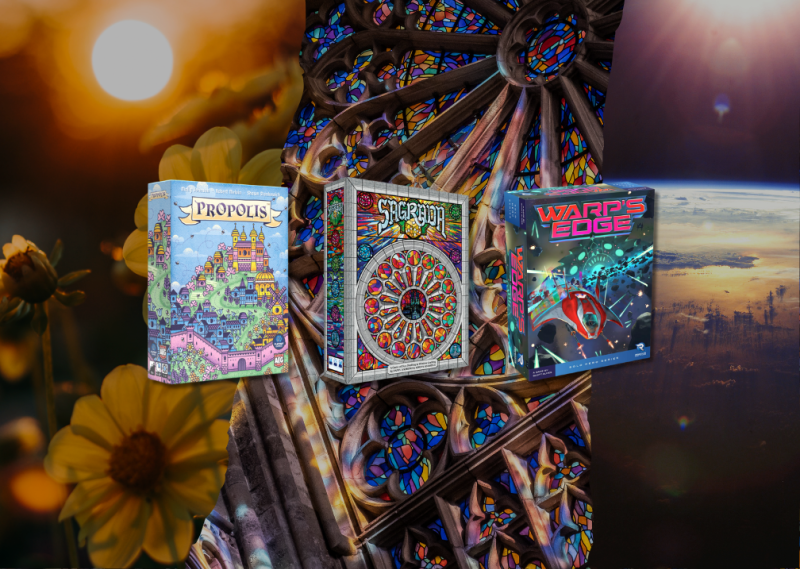
- Aesthetic appeal and table presence: Design matters. Stunning artwork and components drive purchase decisions. Especially on social platforms like Instagram and TikTok. Games like Sagrada, Cascadia, and Flower Fields prove that beauty sells.
- Thematic relevance: Sustainability, nature, cultural depth, and educational themes resonate strongly. Titles like Hegemony, Hutan, and Cascadia: Rolling Rivers & Hills combine meaningful narratives with engaging mechanics.
- Games as a tool for social connection: Board games are increasingly seen as a way to connect. Players have been seeking screen-free activities that foster real interaction. Party games like Munchkin, creative games like Hues and Cues, and family titles like Cascadia Junior lead the way in shared experience gaming.
- Solo and 2-Player Games: The demand for solo and 2-player games continues to grow, especially among young adults and urban gamers. Titles like Final Girl and Conservas deliver rich solo experiences, while Fog of Love offers a unique narrative journey for two. Awkward Guests 2: The Berwick Cases adds a competitive twist to classic deduction gameplay, making it a perfect choice for two-players.
- Influence of online communities: YouTube, Instagram, and TikTok are shaping player discovery more than ever. Influencers, reviewers, and content creators now play a key role in determining what gets noticed and what gets bought.
Regional Differences in European Tabletop Trends
The board game market is booming across Europe, but not all players want the same thing. While the same trends appear across the continent, their strength and timing vary.
Board Game Trends in Southern & Eastern Europe
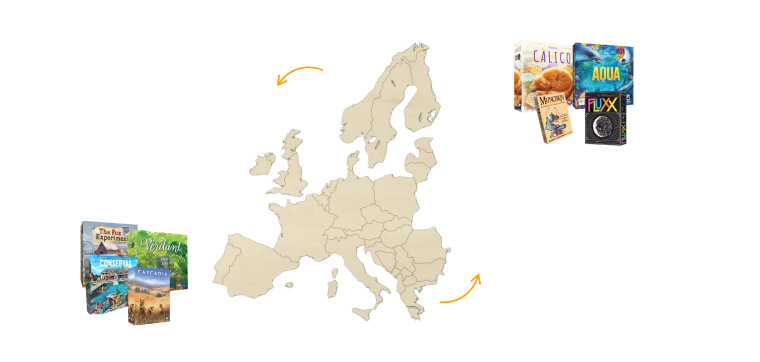
- Group-oriented, social gameplay: Games that work well with larger player counts like Hues & Cues, Pick Your Poison, and Munchkin are popular for family nights and parties.
- Language-light & visual mechanics: Symbol-based or low-text games lower the barrier to entry in multilingual markets. For example Keepers, Aqua, and Stalk Exchange.
- Growing interest in modern gateway games: While classic titles still have a strong foothold, there’s growing curiosity around modern, accessible games that are visual, language-light, and family-friendly. Titles like Calico, Beacon Patrol, and Gnome Hollow are steadily gaining traction.
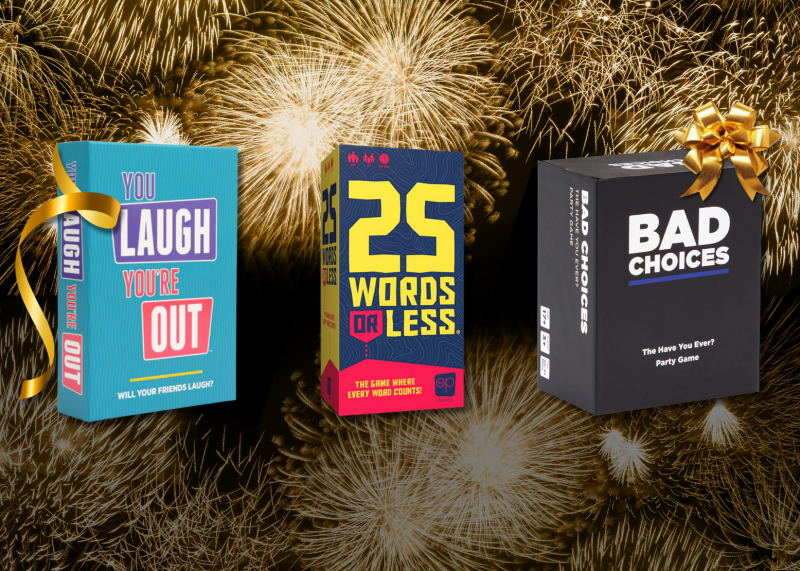
- Affordability is key: Budget-friendly games in smaller boxes perform best. Zombie Dice, You Laugh You Drink, and Skull King are great examples.
- Offline discovery is still strong: Consumers rely more on physical stores, events, and recommendations than online reviews or influencers.
Emerging trends such as solo board games, thematic depth, or aesthetic-driven purchases are present, but less dominant. These trends are gradually gaining ground, particularly in urban centers and among younger audiences.
Board Game Trends in Western & Northern Europe
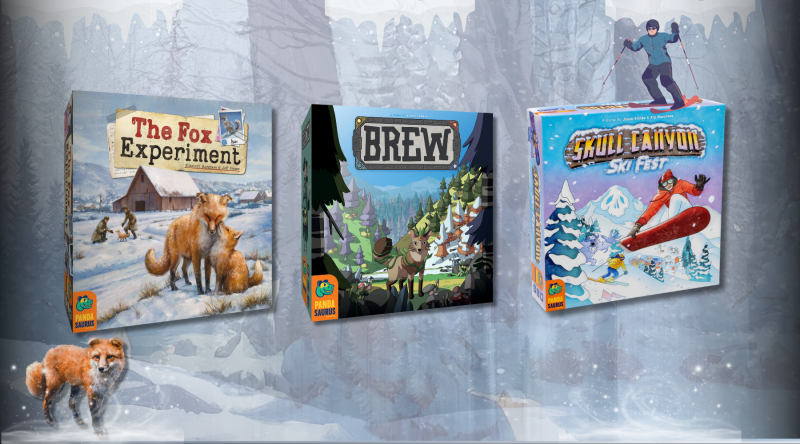
- Quick-to-learn, deep-to-master games: Games like Calico, The Guild of Merchant Explorers, and The Fox Experiment are popular for combining simplicity with strategy.
- Aesthetic & component-driven appeal: Box design, table presence, and production quality are crucial. Titles like Let’s Go! To Japan, Hutan, and Verdant aren’t just fun to play, they also stand out for their visual charm.
- Solo and 2-player formats are on the rise: Urban lifestyles and younger adult players fuel demand for titles like Resist, Dice Throne, and Stellar.
- Thematic relevance matters: Games with environmental, historical, or cultural depth like Evolution New World, Evergreen, or Axis & Allies line-up resonate well.
- Online discovery drives decisions: Players actively follow reviewers, influencers, and BGG rankings. Social media visibility can directly boost sales.
Product Category Preferences Across European Regions
Just like player behavior varies across Europe, so do preferences when it comes to product types. While board games dominate across the continent, other categories perform differently depending on local habits, accessibility, and community culture.
Southern and Eastern Europe
In Southern and Eastern Europe, board games are still strongly tied to group and family experiences. Classic-style games still lead the market, but modern board games with simple, visual mechanics and strong replayability are steadily gaining ground. Card games remain a favorite in many regions, largely thanks to their affordability and compact size. Titles like Point City, Fluxx, and Bad Choices offer a quick and engaging experience, making them an accessible introduction to modern tabletop gaming.
Dice games are emerging but not yet widely established as a separate category. Their success often depends on seasonal timing and visual clarity.
Miniature games and RPGs are gaining traction, though they remain more niche outside dedicated hobby communities. Within these communities, especially in countries like Poland, Czechia, and Hungary, titles like The Witcher: Old World are well-established. Outside of that scene, the broader retail market is still warming up to these categories, with most growth coming from younger players in urban areas and through events or community-driven discovery.
Western and Northern Europe
In contrast, Western and Northern Europe show a more balanced interest across all major product categories. Board games are still the dominant format, but the diversity within the category is much broader—ranging from family+ games to solo campaigns. Themes and table presence play a big role in purchase. Titles like Keep the Heroes Out!, Raiders of the North Sea, Lobotomy 2: Manhunt, and Nemesis illustrating just how varied today’s board game landscape can be.
Card games are appreciated for their portability and tactical potential. There’s also room for slightly more complex formats, like Smash Up, M.O.R.P.H.O., and Avatar Last Airbender Aang's Destiny. In France, visually driven and party card games continue to lead.
Dice games, especially Roll & Writes, are widely accepted in Germany, the Netherlands, and Scandinavia. They’re seen as strategic, yet accessible. Ideal for mixed groups or casual evenings. Titles like Cascadia: Rolling Rivers & Hills, Railroad Ink Challenge – Lush Green, and Hex Roller are strong performers in this category, combining quick gameplay with high replayability.
Miniature games find most traction in Germany, France, and the UK, where dedicated hobby communities exist. Titles like Battletech have an established following, supported by clubs, events, and specialized retailers. Outside of these hobby circles, retailers tend to prefer fast-to-table formats like The Witcher: Old World.
RPGs are steadily growing across the region, especially lighter systems that fit into boxed formats.
What This Means for Retailers & Distributors
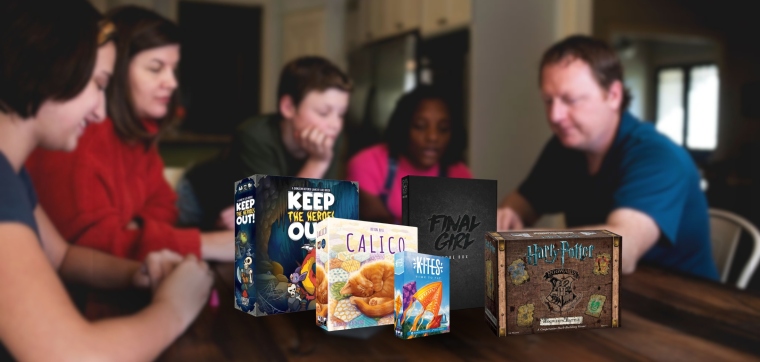
- Diversify your offering by region: Match your assortment to local preferences. Think language-light party games for Southern Europe, and aesthetic solo or narrative games for urban players in the North.
- Stock accessible, quick-to-learn games: Focus on family board game trends, easy-to-learn games, and Roll & Write popularity.
- Lean into aesthetics and table presence: Beautiful artwork and components help games stand out. Especially in regions influenced by social media and content creators.
- Support co-op and social play: Games that emphasize collaboration or group fun sell well in both casual and family-driven markets.
- Don’t ignore solo and 2-player games: This category is growing fast, especially in urban areas and among younger adults.
- Engage through demo opportunities: In regions where offline discovery is strong (like Poland, Spain, and Italy), visibility at events or in-store demos drives sales.
- Spot emerging titles early: New gateway games with strong visuals and clear mechanics (like Gnome Hollow, Beacon Patrol, or The Fox Experiment) are likely to perform well. Especially in markets where players are open to English-friendly, language-light formats.
- Offer category variety: Even if board games dominate, card games, dice games, miniatures, and RPGs are all showing growth. Tailor your mix to reflect that.
- Watch the buzz: Stock games that trend online, these become the next bestselling board games Europe 2025.
Ready to turn trends into turnover?
2025 brings plenty of chances to grow your tabletop business. With EPN, you’ll find a selection of games that match what players are actually looking for: fun, unique, and retail-ready.
Curious about what’s next? Become a partner or visit our webshop to discover our whole assortment.
More news
and insights